









In today’s rapidly advancing society, education stands at the forefront of innovation, propelled by technological breakthroughs and evolving pedagogical paradigms. Moreover, as we navigate the digital landscape, a notable transformation is underway in how children learn and engage with educational content. Central to this evolution is the burgeoning realm of game-based educational apps, heralding a paradigm shift in traditional learning methodologies.
Reimagining Education Through Gamification
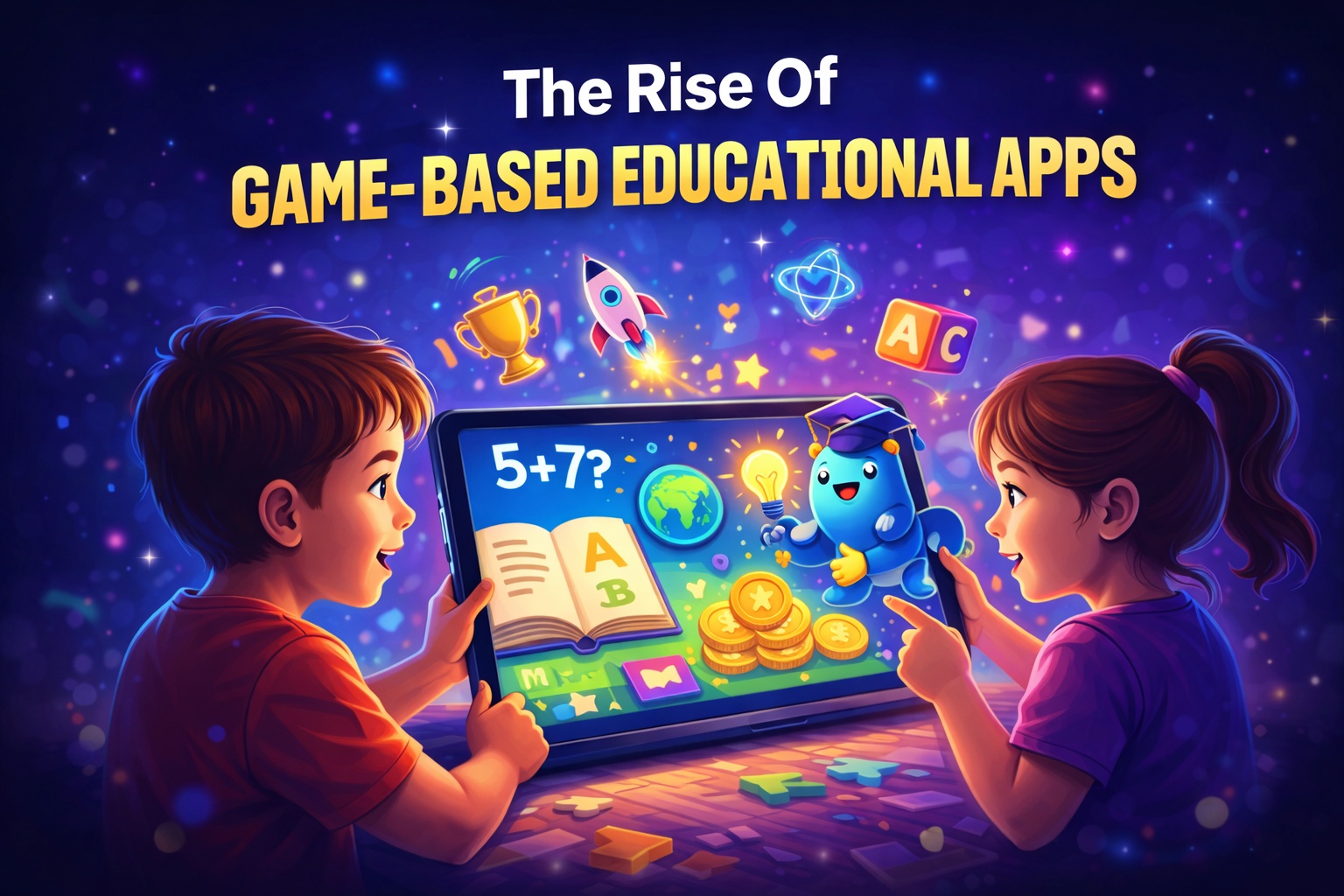
Amidst the proliferation of AI and technological innovations, the landscape of education is undergoing a profound metamorphosis. Also, game-based learning apps represent a pioneering approach to education, seamlessly integrating interactive gameplay with academic content. Catering to the unique learning styles of Generation Z, these apps offer a captivating blend of entertainment and enlightenment, revolutionizing the educational experience.
The Benefits of Game-Based Learning
The advent of game-based learning apps heralds a myriad of benefits for students and educators alike. Although by infusing creativity and interactivity into learning, these apps enhance motivation and engagement among students. Through immersive gameplay and goal-oriented challenges, students are empowered to take ownership of their learning journey, fostering a sense of agency and accomplishment.
Unlocking Cognitive Potential
Harnessing the power of gamification, educational apps stimulate cognitive development and critical thinking skills. By presenting complex concepts in a gamified format, these apps activate the brain’s cognitive processes, facilitating deeper learning and retention. Also, through interactive puzzles and challenges, students sharpen their problem-solving abilities and enhance their capacity for analytical thinking.
Fostering Concentration and Retention
Indeed, game-based learning apps cultivate enhanced concentration and attention spans among students, equipping them with valuable skills for academic success. By engaging both hemispheres of the brain, these apps promote holistic cognitive development and hand-eye coordination. Furthermore, experiential learning through gameplay enhances memory retention, enabling students to internalize concepts through immersive experiences.
Exploring Innovative Educational Apps
A burgeoning ecosystem of educational apps offers a diverse array of resources for learners of all ages. Among the notable contenders in the realm of game-based learning are:
Khan Academy Kids: A comprehensive educational app offering a treasure trove of games, books, and videos designed to impart essential skills and knowledge to children aged 2 to 8.
KidsLipi: Catering to language learners, KidsLipi provides interactive exercises and courses focused on Indian languages, fostering linguistic proficiency through gamified learning experiences.
Moose Math: Designed to reinforce fundamental arithmetic concepts, Moose Math offers engaging math exercises aligned with early learning curricula, providing young learners with a fun-filled platform for mathematical exploration.